A Warm Bowl For Everyone at The Ramen Shop
At The Ramen Shop in Sequim, everyone is welcome at the table. Supported by volunteers and community donations, the restaurant has served nearly 25,000 free meals since 2022.
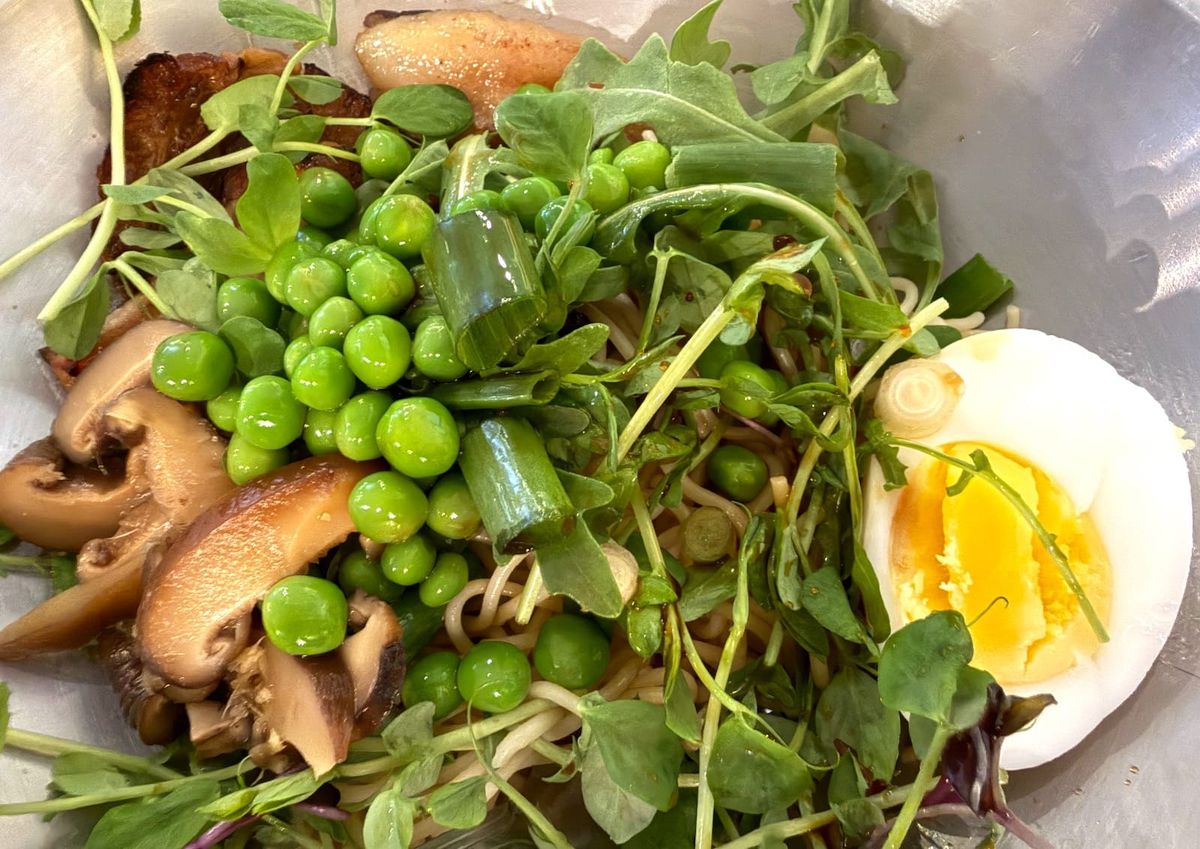
By R.E. Carlino, The Sequim Post
At The Ramen Shop, located at 138 W. Washington St. in downtown Sequim, the price of lunch depends on what you can afford. Some customers pay enough to cover their meal. Others contribute a little extra to help feed someone else. And those who cannot pay are just as welcome.
It's an unusual approach for a restaurant, but one that has worked since the shop opened in April 2022. With the help of volunteers, community donations, and support from Calvary Chapel Sequim, The Ramen Shop has served 24,721 free meals as of this writing—an average of about 5,500 a year. That figure doesn't include the many additional meals served to customers who contribute what they can afford.
How The Ramen Shop Began
The Ramen Shop opened in April 2022 after the previous restaurant in the space closed. Calvary Chapel Sequim owns the building and established the restaurant as a way to serve the community. Its mission is rooted in the church's Christian beliefs, particularly welcoming and caring for others.
Anna Bailey, manager of The Ramen Shop, explained why the church wanted to create something different. “There are many other free resources for food in our area, but what we really wanted to do was to create a space where anyone could experience community, regardless of whether or not they could pay.”
The original idea was to serve soup. But the organizers had different preferences, and they also wanted to create something that felt more like a restaurant than a soup kitchen.
That's when senior pastor David Rivers suggested ramen. He found a cookbook, Let's Make Ramen!, and the group began developing a simple menu that volunteers could prepare using fresh ingredients.
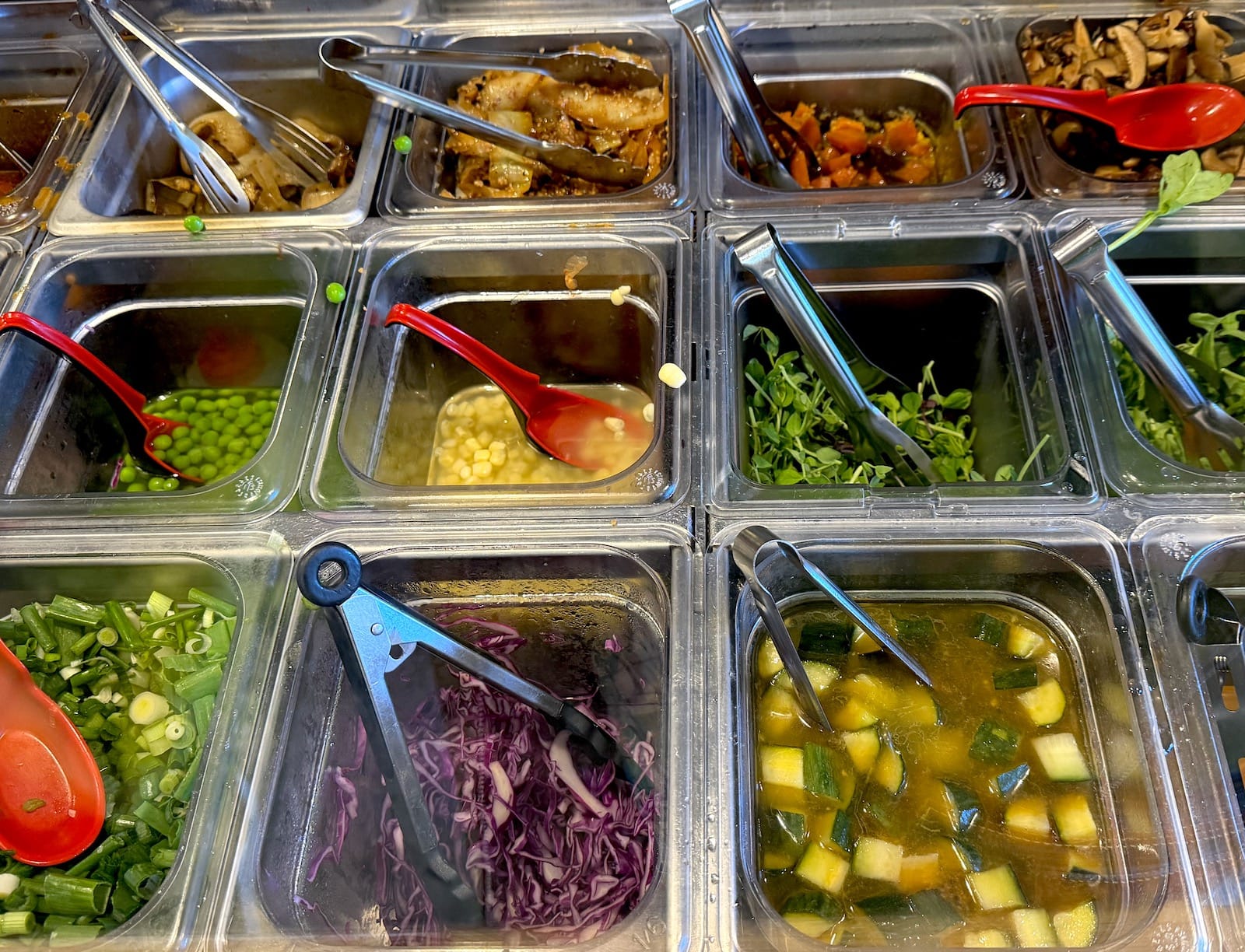
Ramen also offered something else the organizers wanted: a meal customers could customize according to their tastes. At the time, there were no ramen restaurants in the area, according to the shop.
Nearly 25,000 Free Meals
The shop operates entirely on donations, with the help of about 35 volunteers each month and Calvary Chapel Sequim covering any operating shortfalls.
Students from Olympic Christian School volunteer, although students from other schools are also welcome. They can help serve meals, prepare food, or wash dishes while earning community service hours and gaining practical restaurant experience.
The suggested donation is $6 to cover the cost of ingredients, $8 to help with operating expenses, or $12 to pay it forward by helping provide a meal for someone else. But there is no obligation to contribute.
Open Monday through Friday from 11 a.m. to 2 p.m., The Ramen Shop serves approximately 100 people a day. Its menu is deliberately simple, with ramen, rice bowls, and salads available until the day's food runs out. About half the meals served on a typical day are free.
What's in a Bowl of Ramen?
Ramen has come a long way from its origins as a Chinese noodle dish introduced to Japan. Over time, Japanese cooks transformed it into a distinctive culinary tradition, and what was once inexpensive everyday fare has become an international favorite. Today, ramen ranges from simple, comforting bowls to elaborate creations made with carefully prepared broths and premium ingredients.
Traditional Japanese ramen combines wheat noodles with a flavorful broth and toppings such as sliced meat, vegetables, green onions, and eggs. Four of the best-known styles are shoyu (soy sauce), shio (salt), miso (fermented soybean paste), and tonkotsu (pork-bone broth). Each offers a different flavor, and restaurants often develop their own variations.
At The Ramen Shop, the standard broth is shio-style, a salt-seasoned variety. Volunteers prepare the dashi, tare, and chicken stock used in the broth each week. Rather than offering several different broths, the shop keeps its regular menu simple to make the donation-supported operation sustainable.
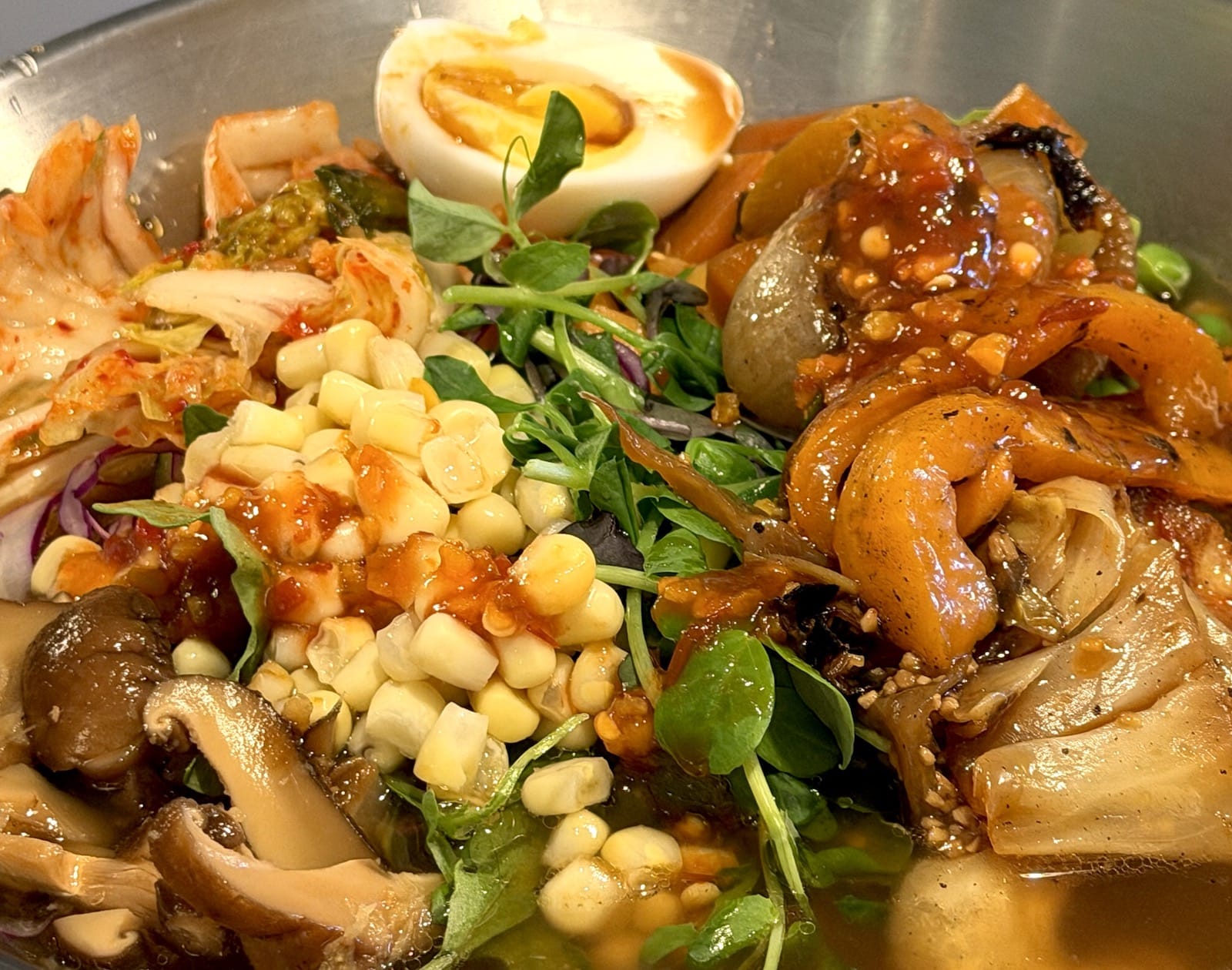
For customers unfamiliar with ramen, Bailey recommends starting with the pork belly ramen, which she says is a customer favorite. As to what makes a good bowl of ramen, she said, “The broth is definitely a key part of making good ramen! I think the combo of having fresh, flavorful toppings & a rich broth are both essential.”
Customers who prefer not to eat meat have options, too. Although it isn't listed on the menu, Bailey said the kitchen can prepare a vegetarian miso broth upon request. Rice bowls and salads can also be made with vegetables instead of meat.
Taking The Ramen Shop on the Road
For Bailey, one of the biggest surprises since opening has been the community's response. “How supportive everyone has been!” Bailey said. “We did not know who would come when we opened our doors, but we have loved to see people struggling with housing participating in community with those who don't have that challenge.”
Now The Ramen Shop is preparing to reach people beyond its restaurant. With help from a grant awarded by the Albert Haller Foundation, the organization plans to outfit a small Japanese-style food truck.
While the food truck will offer a different experience from sitting down together at the restaurant, it represents another way for the organization to make meals available in the community. Details about where and when it will operate are still to come. ⬥