Fall Fishing Closures Are Nothing New on the Olympic Peninsula. What's Changing?
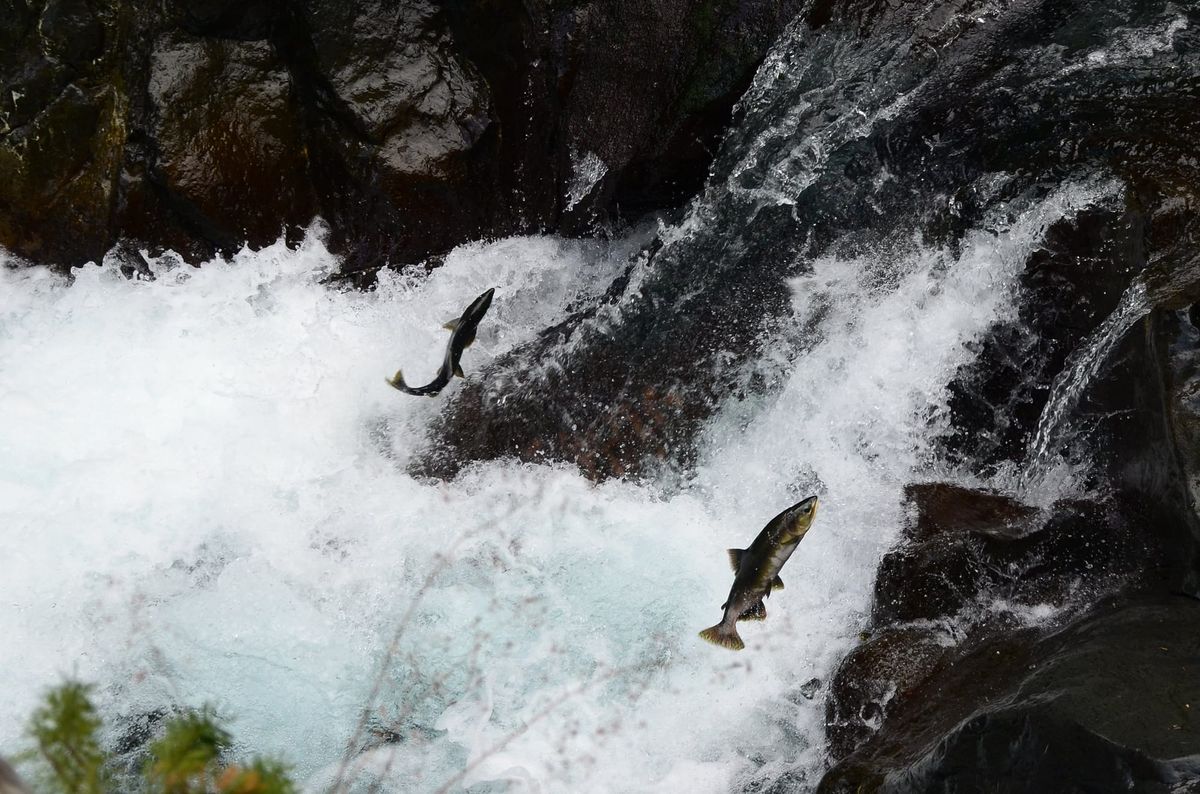
Climate change is projected to contribute to lower summer streamflows and longer periods of low water in many Washington watersheds. When these conditions persist into the fall, they can delay salmon migration and create additional challenges for fisheries management.
By R.E. Carlino
The Sequim Post
November 9, 2026 12:15 AM
After another autumn of widespread fishing closures, a review of the past eight years shows recurring concerns about low river flows and salmon returns. Washington fisheries officials say changing environmental conditions could make future fishing seasons increasingly difficult to manage.
Fishing closures across much of Washington's coast this October have once again raised concerns about drought and disappointing salmon returns.
The Washington Department of Fish and Wildlife (WDFW) announced closures affecting the Hoh and Quillayute river systems on the Olympic Peninsula beginning October 19, followed by additional closures beginning October 24 in the Grays Harbor and Willapa Bay river systems and other coastal waters.
The agency cited two principal concerns: unusually low river flows that delay salmon migration and coho returns falling significantly below preseason forecasts.
But a review of fishing regulations and emergency closures dating back to 2019 shows that these problems are hardly new to the Olympic Peninsula.
The 2026 season
In response to questions from The Sequim Post, the Washington Department of Fish and Wildlife (WDFW) explained why low river flows complicate salmon migration.
“Low fall streamflows can delay upstream salmon migration, causing fish to remain in lower river reaches until conditions improve,” the agency said. “Combined with lower-than-expected coho returns, these conditions create additional conservation challenges for managing fisheries.”
The restrictions were not identical everywhere. On the North Olympic Peninsula, the Dungeness River opened for fishing October 23, but the daily salmon retention limit was reduced to two hatchery coho. Other rivers closed entirely to salmon and game-fish angling.
Asked what would allow fishing to resume on affected rivers, WDFW identified two conditions that must be met:
“WDFW must see incoming fish numbers that assure escapement goals — the number of fish that reach their spawning grounds — and streamflow conditions that support upstream migration.”
Rainfall alone would not necessarily be enough. The agency said there is no single streamflow threshold that automatically triggers reopening. Fisheries managers must evaluate individual watersheds, monitor salmon returns and coordinate with treaty tribal co-managers.
Even where conditions improve, managers must consider whether reopening one river would concentrate too much fishing pressure on its salmon populations.
A look back at earlier closures
October 2022 offers a particularly close historical parallel to the 2026 closures. Both years saw widespread fishing restrictions imposed during autumn drought conditions, with low river flows interfering with salmon migration. In both cases, the restrictions extended beyond the Olympic Peninsula to other coastal Washington rivers.
On October 6 of that year, the National Park Service closed recreational fishing in nearly every major river system within Olympic National Park, including the Hoh, Quillayute, Sol Duc, Bogachiel, Queets and Quinault watersheds.
Two days later, WDFW imposed corresponding closures on numerous coastal rivers and tributaries outside the park, including sections of the Hoh, Quillayute, Sol Duc and Bogachiel rivers. The restrictions also extended into Grays Harbor and Pacific counties, affecting rivers such as the Humptulips, Copalis and portions of the Willapa Bay watershed.
Severe drought had reduced river flows to historically low levels. WDFW reported higher-than-expected fishing harvest rates as salmon struggled to migrate upstream. The agency said the closures were necessary to protect returning salmon until streamflows improved or monitoring indicated that fish had resumed their migration.
The two agencies regulate different portions of the same river systems: the National Park Service within Olympic National Park and WDFW in waters under state jurisdiction. Their October 2022 actions therefore provided broader protection across affected coastal watersheds.
Rainfall eventually improved conditions. On October 27, WDFW adopted an emergency rule allowing most affected coastal fisheries to return to their regular regulations beginning October 29–31. The National Park Service also reopened most park rivers November 1.
The following year brought another notable closure.
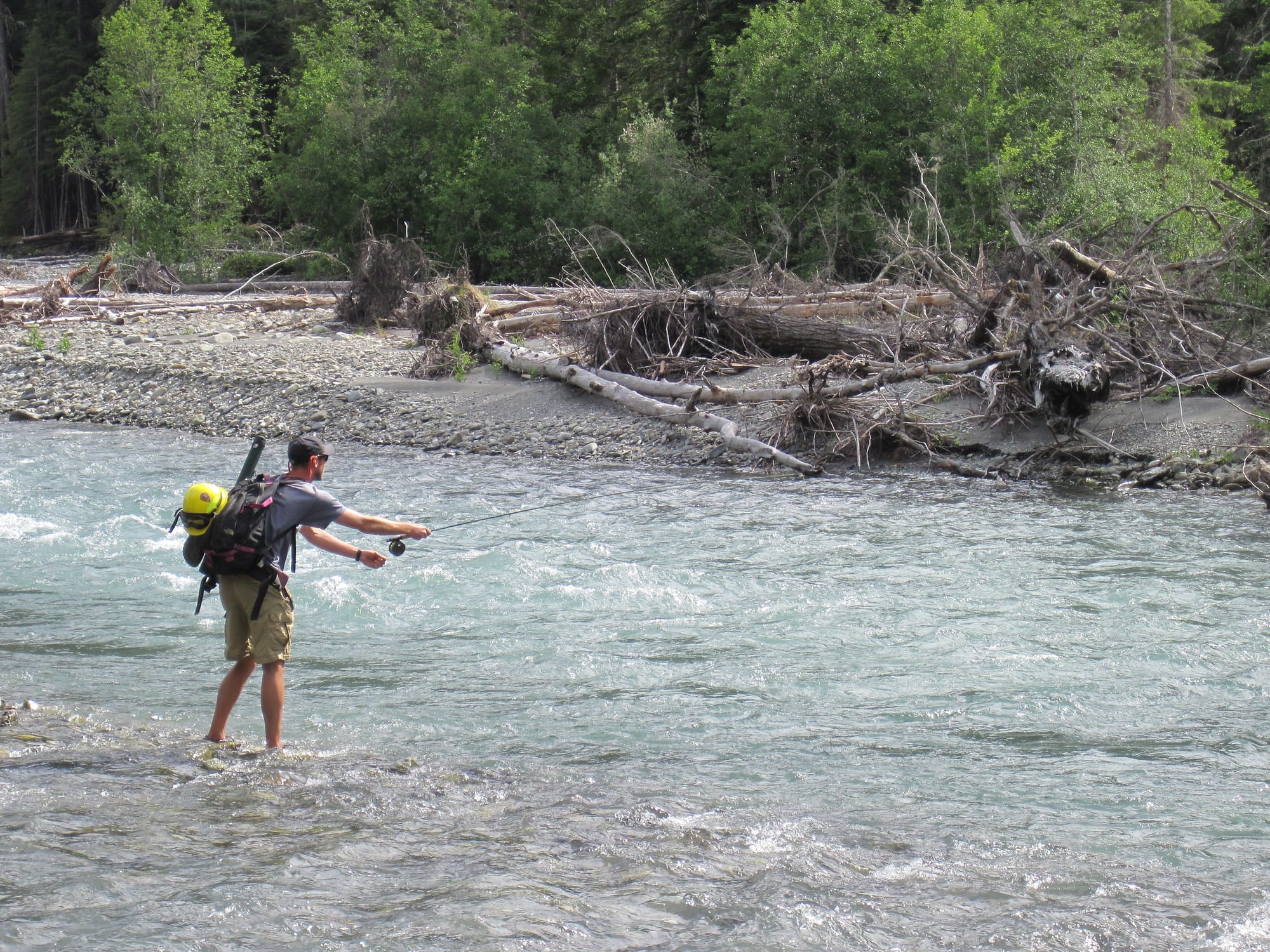
In July 2023, Olympic National Park suspended recreational fishing in the Quillayute River system, including the Bogachiel, Calawah and Sol Duc rivers. Officials cited low water combined with salmon returns well below preseason forecasts.
Although the closure occurred during summer rather than autumn, the combination of poor river conditions and disappointing salmon returns resembled the concerns raised in 2026.
In September 2024, WDFW closed the Hoh River and its South Fork after low flows caused Chinook and coho to remain in the lower river rather than migrate upstream.
Earlier records also document salmon conservation restrictions. In November 2019, WDFW closed the Quillayute River and its tributaries for nearly three weeks before reopening with restrictions protecting wild coho. In 2020, Hoh River fishing was restricted to protect summer Chinook, while in 2021 WDFW reduced fall salmon retention limits in the Quillayute system because of weak projected returns. These measures are documented in the agency's 2019 emergency rules and 2021 fisheries planning records.
Not every restriction resulted from drought, nor does the available record establish an equally extensive emergency closure every year. Some limits were established before fishing seasons began, while others responded to changing conditions.
What might lie ahead?
Asked directly by The Sequim Post whether fishing closures such as those imposed this October are becoming more common, the Washington Department of Fish and Wildlife pointed to changing environmental conditions and the challenges they pose for fisheries management.
“Climate change is projected to contribute to lower summer streamflows and longer periods of low water in many Washington watersheds. When these conditions persist into the fall, they can delay salmon migration and create additional challenges for fisheries management,” the agency said.
WDFW noted that Washington has experienced four consecutive droughts, with river flows reaching record lows in multiple years. The consequences may extend beyond a single fishing season.
“The stress of one drought season can have lasting impacts on cohorts of salmon and steelhead that affect future fisheries, and those impacts are compounded after several consecutive cohorts are affected,” the agency said.
WDFW said it is improving its ability to monitor conditions and make in-season management decisions. Such decisions can result in fishing closures when conservation goals are threatened, but may also allow additional fishing opportunities when conditions improve.
The historical record shows that emergency fishing closures have repeatedly affected Olympic Peninsula rivers, including widespread coastal restrictions in 2022 and 2026.
What may be changing, according to WDFW, is the severity and persistence of the pressures facing salmon populations. Consecutive droughts, delayed autumn rainfall and habitat degradation can affect not only returning fish but also future generations, making the balance between fishing opportunities and salmon conservation increasingly difficult.⬥